Dog Reactivity Training in Norfolk
Does your dog bark, lunge, growl or become difficult to manage when they see another dog? Dog-to-dog reactivity can make everyday walks stressful, but these reactions can have different causes. Mel Newton provides professional dog reactivity training in Norfolk, using progressive, reward-based methods to help dogs develop confidence, improve engagement and respond more calmly around other dogs.
Professional Reactivity Training Tailored to Your Dog
Every reactive dog is different, so Mel adapts training to the individual dog, their triggers and the situations their owner needs help managing.
Kennel Club Accredited Instructor – Working Gundogs (KCAI (WG))
Qualified through CIDBT, BCCS and BIPDT
More than five years of professional dog training experience
Reward-based, welfare-focused training methods
Bespoke progression based on the individual dog
Practical support for owners as well as their dogs
One-to-one and in-home training options available
Training across Swaffham, Foulden, Attleborough and surrounding areas of South and West Norfolk
For advice about the most appropriate training option, call 07442 974421 or email mel@melnewtondogtraining.co.uk.
What Is Dog-to-Dog Reactivity?
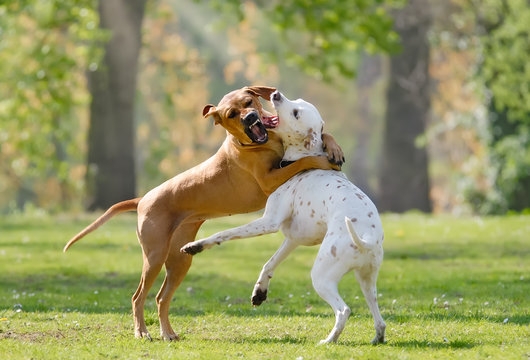
Dog-to-dog reactivity describes an intense or unwanted response to the presence of another dog. Depending on the individual dog, this might include barking, lunging, pulling, growling, staring, whining or becoming so focused on the other dog that it is difficult for the owner to regain their attention.
Reactivity does not automatically mean that a dog is aggressive. A reaction may be influenced by fear, frustration, excitement, uncertainty or previous experiences. Understanding what is driving the behaviour is an important part of deciding how training should progress.
Mel works specifically with reactivity towards other dogs. She does not provide training for dogs displaying aggression towards people.
What Can Trigger Reactivity Towards Other Dogs?
Reactive behaviour can occur at different distances and in different environments. Some dogs struggle whenever another dog appears, while others react only in particular circumstances.
Common triggers can include:
Dogs approaching directly or too closely
Passing another dog on a narrow path
Seeing dogs while walking on the lead
Excitement or frustration when unable to greet another dog
Busy environments with limited space
Particular types, sizes or behaviours of other dogs
Previous negative experiences
Feeling worried or unable to move away
The reaction itself is only part of the picture. Training also needs to consider the circumstances surrounding it, including distance, environment and the dog's ability to remain calm enough to learn.
Mel’s Progressive Approach to Reactive Dog Training
The aim is not to force a reactive dog into situations they cannot cope with. Training progresses at a level appropriate for the individual dog, helping owners develop more manageable responses while building their dog’s confidence and engagement.
Understanding Your Dog’s Triggers
Mel first considers when reactions happen, what tends to trigger them and how the dog behaves before, during and after an encounter. This helps establish a sensible starting point for training.
Working at a Suitable Distance
Distance can be an important part of reactive dog training. Starting where the dog can still engage with their owner allows useful behaviours to be practised without immediately overwhelming them.
Building Focus & Engagement
Training can help the dog learn to check in with their owner and respond to cues when another dog is present. These skills give owners practical alternatives to pulling, lunging or becoming fixated.
Reinforcing Calmer Responses
Reward-based training is used to reinforce appropriate behaviour and help the dog develop more positive responses around their triggers.Reinforcing Calmer Progressing at the Dog’s Pace
As skills and confidence develop, training can gradually progress. The goal is sustainable improvement rather than rushing the dog into increasingly difficult encounters before they are ready.
For dogs needing wider support with behavioural concerns, Mel also offers Behaviour Modification.
Why One-to-One Training Can Help Reactive Dogs
Reactive dogs can find busy group environments difficult, particularly at the beginning of their training. Individual sessions allow training to focus on the specific dog, owner and situations causing difficulty.
Through 1-to-1 Dog Training, Mel can help owners understand their dog's behaviour, practise useful handling and engagement skills, and develop a structured progression plan.
One-to-one support also gives owners the opportunity to ask questions about the situations they encounter in everyday life rather than following a generic training programme.
Common Mistakes When Managing a Reactive Dog
Getting Too Close Too Quickly
A dog does not necessarily become more comfortable simply through repeated close exposure. If they are already struggling to cope, reducing distance can increase the reaction rather than help them learn.
Punishing the Reaction
Shouting or punishing barking, growling or lunging does not address why the behaviour is happening. Mel instead focuses on understanding triggers and teaching more useful responses through structured, reward-based training.
Waiting Until the Reaction Starts
Training is often more productive before a dog reaches the point of barking or lunging. Recognising earlier changes in attention or body language gives owners more opportunity to respond.
Areas We Cover
Mel provides dog-to-dog reactivity training in Swaffham and across South and West Norfolk, including:
Foulden
Attleborough
Necton
Surrounding Norfolk villages within the usual service area
FAQs
Is a Reactive Dog the Same as an Aggressive Dog?
Can You Stop My Dog Barking & Lunging at Other Dogs?
Training can help reduce unwanted reactions by improving engagement, building confidence and teaching more appropriate responses around other dogs. Progress varies between dogs, so Mel uses a structured approach based on the dog's individual starting point rather than promising a fixed outcome.
Does Mel Work With Aggression Towards People?
No. Mel works with dog-to-dog reactivity, but does not take on cases involving aggression towards people. It is important to be clear about the behaviour you are experiencing when making an enquiry so the suitability of training can be discussed.
Does My Dog Need to Meet Other Dogs During Training?
Not necessarily. Reactive dog training does not mean immediately introducing your dog to another dog at close range. Training can begin at an appropriate distance, with progression determined by the individual dog's responses and ability to remain engaged.
How Long Does Reactivity Training Take?
There is no single timescale. The cause and intensity of the reactions, how long the behaviour has been occurring, the dog's learning history and consistency between sessions can all influence progress. Mel develops training progressively rather than rushing towards a predetermined deadline.
Build Confidence & Make Walks More Manageable
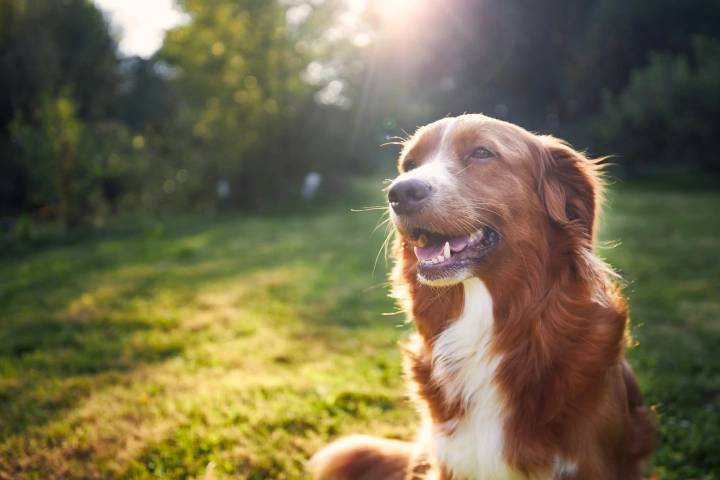
Dog-to-dog reactivity can turn an ordinary walk into something both dog and owner find difficult. Structured training can help you better understand your dog's triggers, improve communication and develop practical skills for calmer encounters.
Mel offers Behaviour Modification and 1-to-1 Dog Training for suitable dog-to-dog reactivity cases across Norfolk.