Dog Chasing Behaviour Training in Norfolk
Professional Chasing Behaviour Training Tailored to Your Dog
Mel understands that chasing behaviour can have different motivations and requires an individual approach.
Kennel Club Accredited Instructor – Working Gundogs (KCAI (WG))
Qualified through CIDBT, BCCS and BIPDT
More than five years of professional dog training experience
Reward-based, welfare-focused training methods
Bespoke training plans focusing on recall and impulse control
Experience working with gundogs and other active breeds
One-to-one training and access to secure training environments
Supporting owners across South and West Norfolk
For advice about your dog's chasing behaviour, call 07442 974421 or email mel@melnewtondogtraining.co.uk.
Why Do Dogs Chase Wildlife, Livestock & Moving Objects?
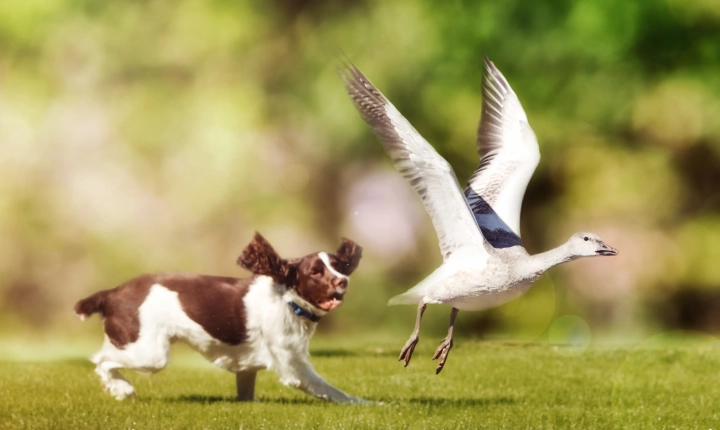
Chasing is often driven by natural predatory instincts, although excitement, frustration and learned behaviour can also contribute.
Common triggers include:
Wildlife: Birds, rabbits and squirrels can activate a dog's instinct to pursue movement.
Livestock: Sheep and other farm animals may trigger chasing, creating serious welfare and safety risks.
Cyclists & Joggers: Fast or unpredictable movement can encourage dogs to chase.
Moving Vehicles: Cars, motorbikes and bicycles may attract dogs that are particularly sensitive to movement.
Other Animals: Some dogs become highly focused on cats or other small animals.
Repeated chasing can become increasingly rewarding for the dog, making the behaviour more difficult to interrupt.
Understanding what motivates your dog allows Mel to develop appropriate training strategies without expecting natural instincts to disappear completely.
Why Breed & Natural Instincts Matter
Different breeds may show chasing behaviour for different reasons.
Gundogs, including Labradors, Spaniels and Retrievers, have been selectively bred for activities involving scent, searching, flushing or retrieving. Without appropriate training and outlets, some may become highly distracted by wildlife.
Sighthounds, such as Greyhounds and Whippets, may be particularly responsive to fast-moving animals, while herding breeds such as Border Collies can become focused on controlling or pursuing movement.
Although breed tendencies can influence behaviour, every dog is an individual.
Mel's specialist Gundog Training can help owners of working and pet gundogs develop steadiness, recall and controlled responses around distractions.
Mel’s Approach to Reducing Chasing Behaviour
Identifying Your Dog’s Triggers
Mel considers what your dog chases, when the behaviour occurs and how reliably they respond before becoming distracted.Strengthening Recall Around Distractions
Impulse control exercises help dogs practise pausing, waiting and responding to cues rather than immediately pursuing movement.Developing Impulse Control
Training can help the dog learn to check in with their owner and respond to cues when another dog is present. These skills give owners practical alternatives to pulling, lunging or becoming fixated.
Building Focus & Engagement
Mel uses reward-based exercises to encourage dogs to remain connected with their owners, even when something exciting appears nearby.
Providing Appropriate Instinctive Outlets
Breed-appropriate activities, including scent work, retrieving and structured searching games, can provide productive outlets for natural behaviours.Progressing Training Safely
Training may begin in secure environments or using suitable long-line equipment. Dogs should not be allowed to rehearse dangerous chasing while recall and control are still developing.
Why One-to-One Training Can Help Dogs That Chase
Chasing behaviour often happens during everyday walks, making individual training particularly valuable.
Through 1-to-1 Dog Training, Mel can focus on your dog's specific triggers and develop exercises suited to their current ability.
Sessions can help owners improve recall techniques, recognise early signs of distraction and practise appropriate responses before their dog begins chasing.
Common Mistakes When Managing Chasing Behaviour
Allowing Too Much Freedom Too Soon
Letting a dog off the lead before recall is sufficiently reliable can create opportunities for repeated chasing and potentially dangerous situations.Calling Repeatedly Without a Response
Continuously repeating recall commands when your dog is already highly focused on a trigger may weaken their response. Training should build reliability gradually.
Relying on Exercise Alone
Longer walks do not necessarily reduce chasing instincts. Dogs may also need structured training, mental enrichment and appropriate outlets for breed-specific behaviours.
Keeping Your Dog Safe Around Livestock & Roads
Chasing livestock or vehicles can have serious consequences. Dogs may injure animals, cause road accidents or put themselves in danger.
Until recall and impulse control are sufficiently reliable, dogs should remain securely controlled around livestock, roads and other high-risk environments.
A lead or suitable long line, used away from traffic and other hazards, can help prevent unwanted chasing while training progresses.
A long line should not be used to allow a dog to approach livestock.For additional guidance, read Mel's article on controlling your dog around livestock.
Areas We Cover
Mel provides training for dogs that chase in Swaffham and across South and West Norfolk, including:Foulden
Attleborough
Necton
Surrounding Norfolk villages within the usual service area
FAQs
Can You Stop a Dog From Chasing Wildlife?
Why Does My Dog Ignore Me When Chasing?
Moving animals or objects can be extremely exciting and rewarding. When a dog becomes highly focused on chasing, responding to familiar commands may become difficult. Progressive recall training helps build responsiveness around increasingly challenging distractions.
Can Gundog Training Help With Chasing Behaviour?
Yes. Gundog training can help develop steadiness, focus, recall and controlled responses to movement. These skills can benefit working gundogs and family pets. Mel's Gundog Training provides structured opportunities to develop these behaviours.
Should I Let My Dog Off the Lead if They Chase Livestock?
Can You Help if My Dog Chases Cyclists or Joggers?
How Long Does Chasing Behaviour Training Take?
Progress depends on your dog's breed, age, previous experiences, strength of chasing behaviour and consistency between sessions. Mel develops training progressively, with realistic goals based on the individual dog.
Improve Recall & Enjoy Safer Walks With Your Dog
Chasing behaviour can make walks stressful, particularly when your dog becomes distracted by wildlife, livestock or moving objects.
With structured recall training, impulse control exercises and appropriate management, you can help your dog develop more reliable responses while respecting their natural instincts.
Whether you have an enthusiastic Spaniel, a wildlife-focused Labrador or another breed that struggles with chasing, Mel can develop a practical training plan suited to your dog.
Explore Gundog Training or 1-to-1 Dog Training for dogs that chase in Norfolk.