Resource Guarding Training for Dogs in Norfolk
Professional Resource Guarding Support Tailored to Your Dog
Resource guarding varies between dogs, so Mel takes an individual approach based on the behaviour, its triggers and the household environment.
Kennel Club Accredited Instructor – Working Gundogs (KCAI (WG))
Qualified through CIDBT, BCCS and BIPDT
More than five years of professional dog training experience
Reward-based, welfare-focused training methods
Bespoke behaviour modification plans
Practical guidance for owners and households
In-home and one-to-one training options where appropriate
Supporting owners across South and West Norfolk
For advice about your dog's behaviour, call 07442 974421 or email mel@melnewtondogtraining.co.uk.
What Is Resource Guarding in Dogs?
Resource guarding occurs when a dog attempts to protect something they consider valuable from another animal or person.
Common examples include:
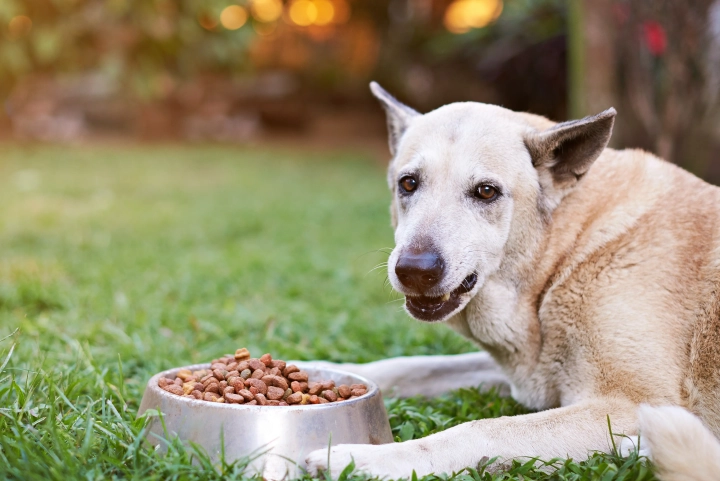
Food Guarding: Growling, freezing or becoming tense when someone approaches a food bowl or meal.
Toy Guarding: Protecting favourite toys, balls or chews from being taken away.
Bed & Resting Area Guarding: Becoming uncomfortable when someone approaches a bed, sofa or preferred resting place.
Object Guarding: Protecting stolen household items, such as shoes or clothing.
Guarding Owners: Reacting when another dog or person approaches a particular family member.
Guarding is not necessarily a sign of dominance or deliberate disobedience. It is often associated with concerns about losing access to something the dog values.
Understanding the circumstances behind the behaviour is essential before introducing training.
This can be particularly common in rescue dogs who have learned to become protective of their food. Mel offers specialist training for rescue dogs that can be tailored to possessiveness around food.
Common Warning Signs of Possessive Aggression
Aggression associated with resources does not always begin with growling or snapping. Dogs may show subtle changes in their body language before displaying more obvious defensive behaviour.
Warning signs can include:
Freezing or becoming unusually still
Stiffening when someone approaches
Eating more quickly when a person comes near
Hovering over or covering a valued item
Turning away or moving an object elsewhere
Staring, showing the whites of the eyes or lifting the lips
Growling, snarling, snapping or biting
These signals should be taken seriously. A growl is a warning that a dog feels uncomfortable, and ignoring or punishing it can increase the risk of escalation.
Why Do Dogs Develop Resource Guarding Behaviour?
Dogs may guard resources for several reasons, including previous experiences, anxiety, insecurity or concerns about losing access to valued items.
Some dogs begin guarding during puppyhood, while others develop the behaviour following changes in their environment or routine.
Competition with other household dogs can also contribute, particularly around food, toys and resting spaces.
There is no single explanation that applies to every dog. Mel considers the dog's history, behaviour and household circumstances when identifying an appropriate approach.
Mel’s Approach to Resource Guarding & Behaviour Modification
The aim is to help dogs feel more secure around valued resources while teaching owners how to manage situations safely.
Through Behaviour Modification, Mel can provide support for suitable cases using progressive, reward-based methods.
Understanding the Guarding Triggers
Mel considers which items or situations trigger guarding, who is involved and how the dog responds. This helps determine the most appropriate next steps.Introducing Safe Management Strategies
Preventing confrontations is an important starting point. This may involve separate feeding areas, controlling access to high-value items and ensuring dogs can rest without unnecessary disturbance.Building Positive Associations
Where appropriate, carefully structured exercises can help dogs develop more positive expectations when people are nearby, rather than anticipating that valued items will be removed.
Teaching Appropriate Alternative Behaviours
Providing Appropriate Instinctive Outlets
Breed-appropriate activities, including scent work, retrieving and structured searching games, can provide productive outlets for natural behaviours.Progressing at the Dog’s Pace
Training progresses according to the dog's responses. The priority is developing confidence and reducing stress rather than forcing interactions before the dog is ready.
Why Punishment Can Make The Situation Worse
Punishing a dog for growling, forcibly removing items or repeatedly taking away their food can increase anxiety and reinforce concerns about losing resources.
Suppressing warning signals does not necessarily change how the dog feels. In some cases, a dog may stop growling but still feel threatened, increasing the risk of snapping or biting without an obvious warning.
Instead, Mel focuses on appropriate management, positive reinforcement and helping dogs feel more comfortable in situations that previously caused concern.
Owners should avoid deliberately testing their dog's guarding behaviour or attempting to force items from their mouth.
Resource Guarding & Aggression Towards People
Resource guarding can sometimes involve aggressive behaviour towards people, including snapping or biting.Cases involving major aggression towards people require appropriate assessment, and referrals will be made where necessary.
Mel does not routinely provide training for dogs displaying aggression towards people.
When making an enquiry, owners should explain any previous incidents clearly so the suitability of training can be considered and appropriate guidance provided.
If there is an immediate risk of injury, prioritise safe separation and seek qualified professional support rather than attempting training exercises independently.
Areas We Cover
Mel provides resource guarding dog training in Swaffham and for suitable cases across South and West Norfolk, including:Foulden
Attleborough
Necton
Surrounding Norfolk villages within the usual service area
FAQs
Why Does My Dog Growl When I Approach Their Food?
Can Resource Guarding Be Improved With Training?
Should I Take My Dog’s Food or Toys Away to Show I’m in Charge?
No. Repeatedly removing valued resources can increase anxiety and make guarding more likely. Teaching voluntary exchanges and creating positive associations are generally more constructive approaches, provided exercises are appropriate for the dog's behaviour and risk level.
Can Puppies Develop Resource Guarding?
Can You Help if My Dog Guards Me From Other Dogs?
What if My Dog Has Already Bitten Someone?
Disclose any bite history when enquiring. Mel will consider the information provided and whether a referral to an appropriately qualified behaviour professional is necessary. In the meantime, avoid situations likely to trigger guarding and seek veterinary advice where pain or illness may be contributing.
Build Trust & Create a Safer Home Environment
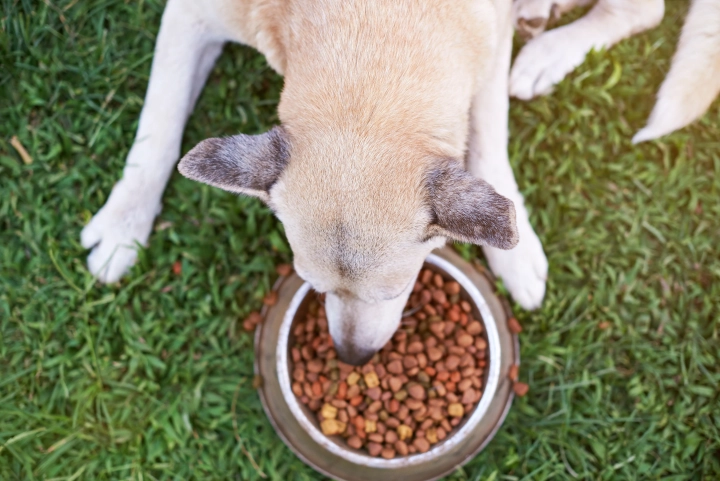
Possessive aggression can be worrying, particularly when everyday activities such as feeding, playing or relaxing become difficult.
Understanding your dog's behaviour and introducing appropriate management can help reduce conflict and create a more predictable environment. Where suitable, progressive behaviour modification can support greater confidence and more relaxed responses.
Mel Newton Dog Training offers Behaviour Modification for defensive dogs in Norfolk, with each enquiry considered according to the dog's individual behaviour and safety needs.